
STRENGTH
The company specializes in various high-precision electric furnaces and kilns




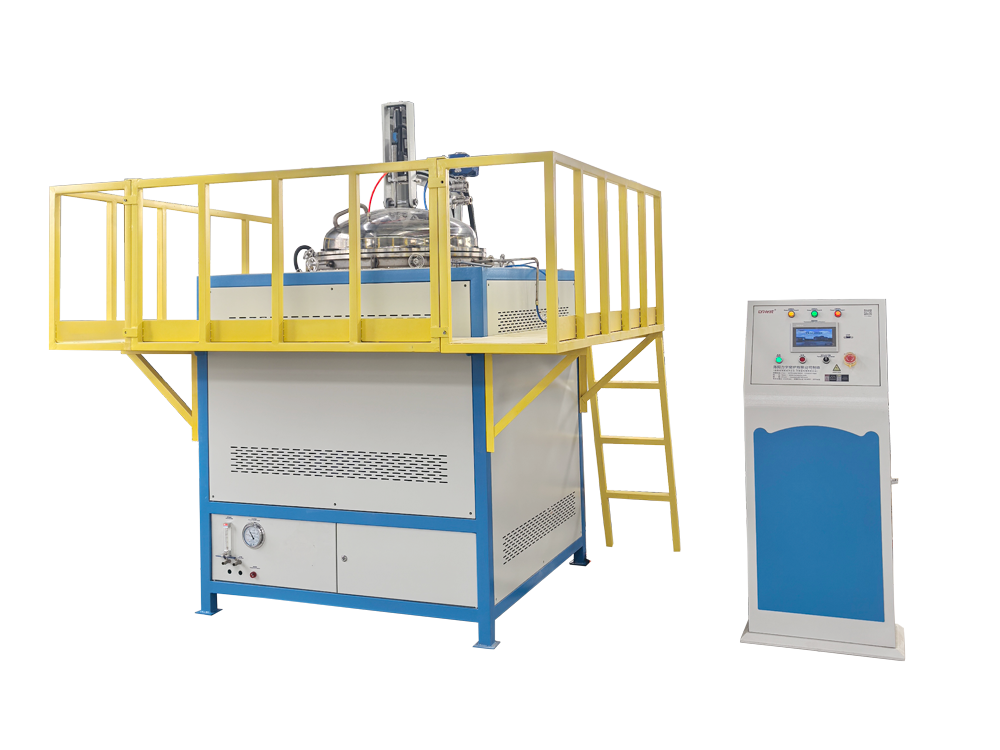
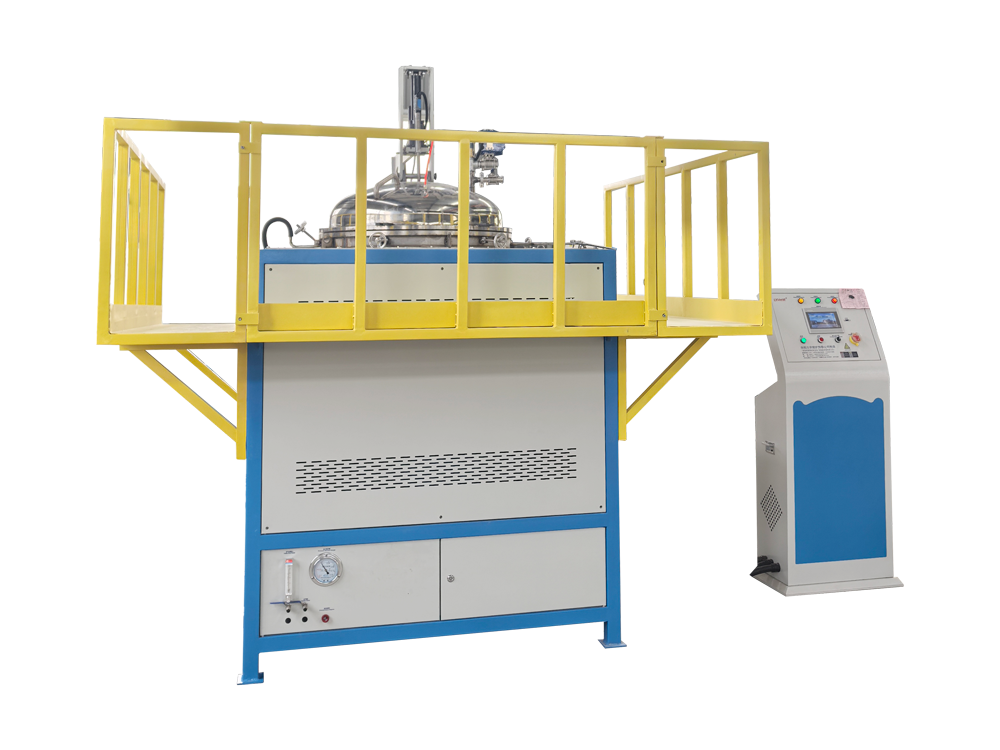
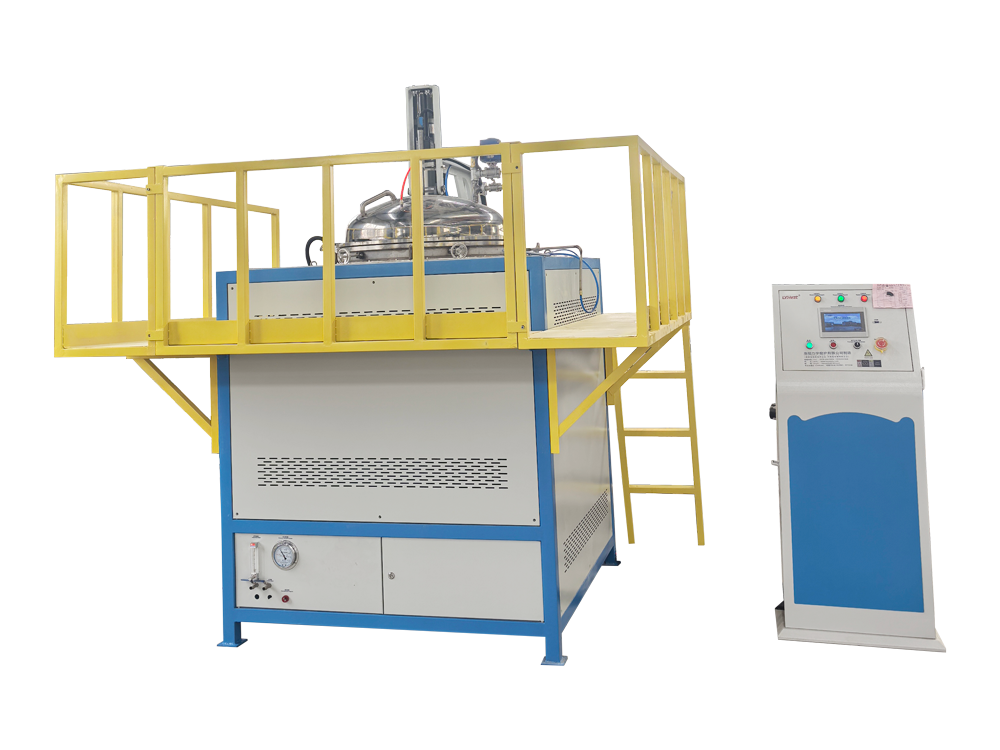
Main Technical Parameters
Item |
Specification |
|---|---|
Rated Voltage |
220V/380V |
Design Temperature |
800℃, 1000℃, 1200℃, 1400℃, 1600℃, 1700℃, 1800℃ |
Heating Rate |
≤0.1~40℃/min (adjustable) |
Heating Element |
High-quality imported resistance wire / high-quality U-type silicon carbide rod / high-quality U-type silicon molybdenum rod |
Temperature Control Accuracy |
±1℃ |
Vacuum Degree |
-0.1MPa (high vacuum up to 300Pa) |
Temperature Control Mode |
Microcomputer control, PID regulation, intelligent microcomputer control, multi-segment programmable temperature control curve, no need for supervision (fully automatic heating, heat preservation, power-off when door opens) |
Temperature Measuring Element |
K (0-1300℃) / S (0-1600℃) / B (0-1820℃) |
Furnace Chamber Material |
Ceramic polycrystalline fiber / alumina fiber / composite alumina fiber / high-purity composite alumina fiber / imported fiber |
Vacuum Pump |
Rotary vane mechanical pump |
Flow Meter |
Float flowmeter |
Permissible Gas |
Inert protective gases such as nitrogen, argon, oxygen |
Oxygen Content in Furnace Chamber |
Continuously monitor oxygen content in furnace chamber; detects oxygen content ≤1000ppm |
Furnace Door Structure |
Front-opening side door type |
Heat Dissipation Method |
Double-layer shell, air insulation layer |
Surface Temperature Rise |
≤30℃ |
Accessories as per model |
2 heating rods, 2 rod holders, 1 crucible tong, 1 pair of refractory gloves, 1 copy of instruction manual and certificate each |
Model |
Heating Zone Length (mm) |
Furnace Tube Diameter (mm) |
Power Supply Voltage (V) |
Power (KW) |
Temperature Control Accuracy |
|---|---|---|---|---|---|
LYL-20JLU -100/X |
100 |
30/40/60/80/100/120/150 |
220/380 |
4-35 |
±1℃ |
LYL-20JLU -150/X |
150 |
30/40/60/80/100/120/150 |
220/380 |
4-35 |
±1℃ |
LYL-20JLU -200/X |
200 |
30/40/60/80/100/120/150 |
220/380 |
4-35 |
±1℃ |
LYL-20JLU -300/X |
300 |
30/40/60/80/100/120/150 |
220/380 |
4-35 |
±1℃ |
LYL-20JLU-400/X |
400 |
30/40/60/80/100/120/150 |
380 |
4-35 |
±1℃ |
LYL-20JLU -500/X |
500 |
30/40/60/80/100/120/150 |
380 |
4-35 |
±1℃ |
LYL-20JLU -600/X |
600 |
30/40/60/80/100/120/150 |
380 |
4-35 |
±1℃ |
LYL-20JLU -800/X |
800 |
30/40/60/80/100/120/150 |
380 |
4-35 |
±1℃ |
LYL-20JLU -1200/X |
1200 |
30/40/60/80/100/120/150 |
380 |
4-35 |
±1℃ |
LYL-20JLU-1500/X |
1500 |
30/40/60/80/100/120/150 |
380 |
4-35 |
±1℃ |
Temperature Category |
800℃-1800℃ Optional |
||||
Customization |
Non-standard models can be customized according to customer requirements, including chamber size, voltage, power, operating temperature, control system, etc. |
||||
Standard Accessories
Name |
Picture |
Quantity |
Description |
|
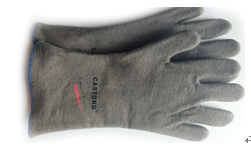
High-temperature Gloves |
|
1 pair |
Excellent comfort, keeps hands warm; Cut-resistant, abrasion-resistant, and heat-resistant (withstands contact with 350°C heat for 60 seconds, 100°C heat for 180 seconds). Durable. |
|
|
Heating Elements |
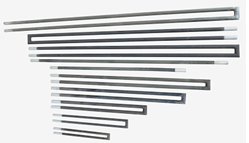
Silicon Carbide Rods |
|
2 pieces |
Silicon carbide elements, characterized by their high operating temperature, hardness, and brittleness, are ready for use after formation. For instance, silicon carbide rods and tubes, made from silicon carbide, can achieve a heating temperature of up to 1500°C under dry air conditions. Under vacuum conditions, the operating temperature ranges from 1000°C to 1200°C, while in a nitrogen atmosphere, the long-term use temperature reaches 1350°C. |
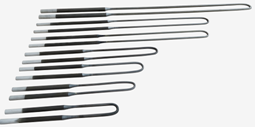
Silicon Molybdenum Rods |
|
2 pieces |
Silicon molybdenum rods, when heated to high temperatures in an oxidizing atmosphere, form a dense layer of quartz glass on the surface, protecting them from further oxidation. Therefore, silicon molybdenum rods exhibit high-temperature oxidation resistance. In an oxidizing atmosphere, they can reach temperatures up to 1800°C, making them suitable as heating elements for high-temperature furnaces in industries such as electronics, ceramics, magnetic materials, glass, metallurgy, and refractories. |
|
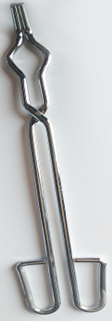
Crucible Tongs |
|
1 piece |
1.A common chemical instrument typically used for handling crucibles. Generally made of stainless steel or other non-flammable, oxidation-resistant hard materials. 2.Clean crucible tongs must be used. 3.When using crucible tongs to pick up a hot crucible, the tips should be preheated first to prevent the crucible from cracking due to localized cooling. After use, the tongs should be placed on a table or asbestos mat with the tips facing upward. 4.After the experiment, crucible tongs should be cleaned, dried, and stored in the laboratory equipment cabinet. 5.Use the curved section for gripping crucibles; the tips are for other purposes. 6.Crucible tongs are not necessarily used exclusively with crucibles; they can also be used independently. |
|
Optional Accessories List
Individual control cabinet |
Touch Screen Instrument |
Remote Auxiliary Module |
|---|---|---|
Observation Window |
Exhaust Hole and Chimney |
Hot Air Fan |
Crucible, Boat |
Door Plug |
Furnace Bottom Plate |
Forced Draft |
Thermocouple |
Centralized Control Industrial Computer |
Caster Wheel |
Multi-point Temperature Measurement |
Exhaust Gas Purification Device |
Special Note
Item |
Content |
|---|---|
|
Factory Environment |
1. Indoor use; 2. Ambient temperature range: ±5~45℃; 3. Relative humidity of surrounding environment does not exceed 85%; 4. No conductive dust, explosive gases, or gases that can severely damage metals and insulating materials around the furnace. |
|
Safety Protection |
1. When using the electric furnace for the first time or after long-term shutdown, baking is required; otherwise, it is easy to cause furnace cracking. 2. Keep clean regularly and check whether the furnace wiring is in good contact. 3. When using the electric furnace, the furnace temperature shall not exceed the rated temperature to avoid damaging the heating elements. It is forbidden to pour various flammable liquids and molten metals into the furnace. 4. During operation, generally below 300℃, the heating rate should not be too fast, because the furnace chamber is cold at the beginning of heating and needs to absorb a lot of heat. |
|
Friendly Tips |
1. To ensure the normal service life of the equipment, please do not run at the rated temperature for a long time. 2. Carefully check and verify the quantity of goods and accessories upon receipt to avoid inconvenience caused by missing or incorrect items. 3. To extend the service life of the instrument, we recommend a heating rate and cooling rate of 10℃/min. 4. The cooling rate should not exceed 5℃/min. 5. This furnace has no vacuum sealing structure, so flammable and explosive gases must not be introduced. 6. After this furnace has been used for a period of time, slight cracks may appear in the furnace chamber, which is a normal phenomenon and will not affect usage. At the same time, it can be repaired with alumina coating. |
Common Faults & Trouble Shooting
Fault Phenomena |
Fault Causes |
Troubleshooting Methods |
No power indication when turning on the control power switch |
Control circuit issue, blown fuse, or no power supply |
Check for short circuits, rectify, and replace the fuse |
Voltage present but no current during equipment operation |
Heating element broken |
Replace the heating element |
Instrument PV display shows the maximum temperature for the corresponding thermocouple type |
Thermocouple short circuit |
Replace the thermocouple |
All power supplies normal but furnace does not heat up |
Main control circuit damaged |
Notify a qualified technician for repair |
The company specializes in various high-precision electric furnaces and kilns
Every product undergoes multiple quality inspections before leaving the factory to ensure stable operation of each one
The product range is diverse and comprehensive, meeting the diverse needs of users
Provide quality assurance services as required, offer free repairs for quality issues, and provide free technical support